
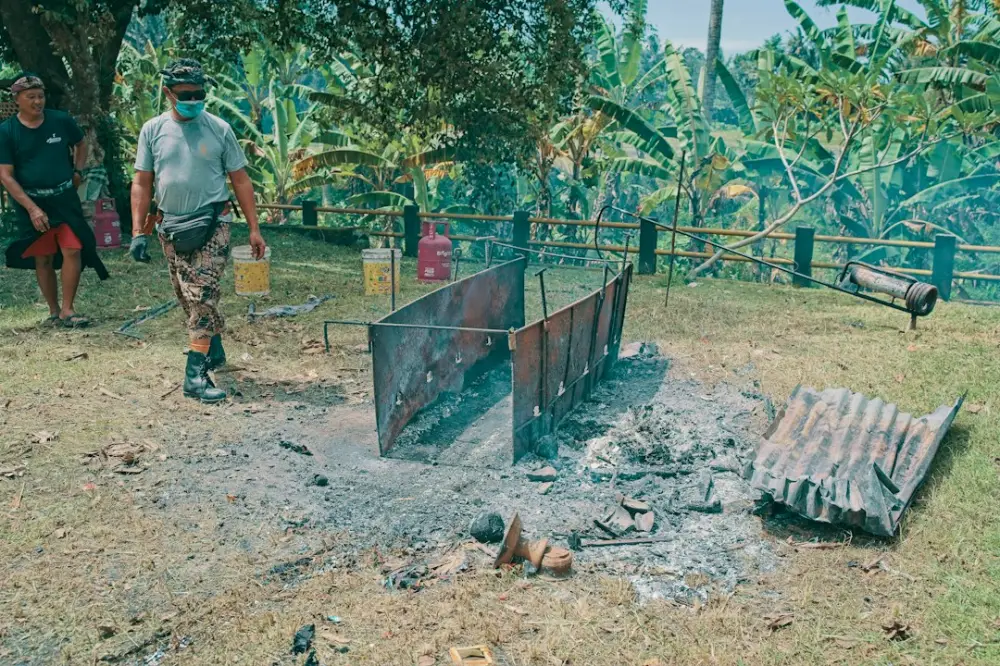
Learning barbecue processes through practice involves the repetitive, hands-on application of fire management, temperature control, and meat preparation techniques to build intuitive skill. Rather than relying solely on digital thermometers or static recipes, this approach prioritizes sensory feedback—like the smell of smoke or the feel of the meat—to achieve consistent, high-quality results over time.
While instructional videos provide a helpful starting point, the specific nuances of your backyard environment require a personal touch. The way air moves through a budget offset smoker on a humid day differs significantly from how it behaves in a dry climate, making direct experience the most reliable teacher for any aspiring pitmaster.
Why active practice matters
The primary reason to focus on practice over theory is the unpredictable nature of live-fire cooking. When you are working with charcoal or wood, you are managing a biological fuel source that varies in moisture content and density. A recipe might tell you to cook a brisket for twelve hours, but your specific cut of meat might reach the ideal tenderness in ten or fourteen depending on its fat rendering and the airflow within your chamber. By practicing regularly, you learn to identify the physical signs of progress that a clock cannot communicate.
Furthermore, hands-on experience builds confidence with your specific equipment. You quickly realize that your first smoker doesn't actually need to be a high-end professional rig to produce competition-quality food. Mastering a simple kettle grill or a basic vertical smoker teaches you the fundamentals of convection and radiant heat. Once you understand how to manipulate a single vent to drop the temperature by ten degrees, you have gained a skill that transfers to any piece of equipment you might use in the future.
Consider the example of managing a "clean" fire. A beginner might see thick white smoke and assume it is seasoning the meat, but through practice, they will eventually notice the bitter, acrid taste it leaves behind. It is only through repeated cooks—and perhaps a few failed ones—that a cook learns to aim for the thin, blue smoke that indicates efficient combustion. This level of discernment cannot be taught through reading alone; it must be tasted and observed at the vent.
How to practice barbecue processes
To move beyond following recipes and start building a repeatable process, you should approach your backyard sessions with a degree of intentionality. This doesn't mean taking the fun out of the weekend cook, but rather paying closer attention to the variables that lead to success or failure.
- Conduct a dry run: Before placing expensive cuts of meat on a new smoker, run a full cycle with just fuel. Observe how long it takes to reach 225°F and how the temperature reacts when you open the intake vents. This teaches you the "lag time" of your specific unit.
- Master one variable at a time: If you are trying to improve your bark, keep your rub and wood type the same for three consecutive cooks. Only change the wrapping technique (foil vs. butcher paper) to see exactly how that single choice impacts the final texture.
- Use a logbook: Record the ambient temperature, the type of wood used (such as post oak or hickory), and the total cook time. Over six months, you will see patterns emerge, such as how wind speed affects your fuel consumption.
- Learn the "feel" of the meat: While internal temperature is a vital safety guide, start using the probe test or the bend test. For example, when checking pork ribs, lift them with tongs; if they crack slightly on the surface, they are likely done. This sensory check is more accurate than a timer.
- Practice fire recovery: Intentionally let your fire dip too low once during a non-critical cook. Learn how to quickly introduce small, dry kindling to bring the temperature back up without creating a plume of dirty, soot-heavy smoke.
An example of this in action is the "hot and fast" versus "low and slow" experiment. By cooking two identical pork butts—one at 225°F and one at 300°F—you can personally witness how higher heat affects the rendering of intramuscular fat and the formation of the bark. This direct comparison provides more insight than any textbook could offer.
Common barbecue learning misconceptions
One of the most frequent misconceptions in the barbecue community is that expensive gear compensates for a lack of technique. High-end pellet grills with Wi-Fi connectivity are convenient, but they often mask the fundamental principles of fire management. If a beginner relies solely on an automated auger to maintain temperature, they may never learn how to read the color of a coal bed or how to preheat logs on top of a firebox to ensure instant ignition.
Another common error is the belief that there is a "secret" rub or sauce that makes great barbecue. In reality, the most important ingredients are heat, smoke, and time. Experienced cooks know that 10 classic BBQ techniques for bold flavor—such as proper trimming, salt brining, and resting the meat—do far more for the final product than a specific brand of spice mix. Practice teaches you that the texture of the meat and the quality of the smoke are the true pillars of flavor.
Finally, many beginners believe that "smoke flavor" is something you can simply add more of by throwing on more wood. Practice reveals that too much smoke is often worse than too little. Over-smoking leads to a numbing sensation on the tongue and a creosote-heavy finish. Learning when to stop adding wood and let the heat do the remaining work is a milestone in any pitmaster's education.
Key barbecue process terms
- The Stall: A period during the cook where the internal temperature of the meat stops rising due to evaporative cooling. Practicing through the stall helps you decide whether to wrap the meat or wait it out.
- Clean Smoke: Also known as "thin blue smoke," this is the nearly invisible output of a well-managed fire that provides a sweet, smoky aroma rather than a bitter one.
- Convection: The movement of hot air around the meat. Understanding how your smoker’s baffles or water pans affect convection is a key part of equipment mastery.
- Bark: The dark, flavorful crust that forms on the outside of smoked meat through the combination of spice rub, smoke particles, and the Maillard reaction.
- Resting: The process of letting meat sit after it is removed from the heat. Practice will show you that a long rest (1-4 hours) is often the difference between a dry brisket and a succulent one.
What to do when you stop improving
It is common to hit a plateau where your barbecue is "good enough" but not exceptional. When this happens, it is time to move away from your comfort zone. If you always use a pellet grill, try a session on a charcoal-and-wood offset. The increased difficulty in maintaining the fire will force you to pay closer attention to airflow and fuel quality. This forced focus often breaks through the ceiling of your current skill level.
Another way to sharpen your skills is to change the scale of your cook. Preparing a single rack of ribs for dinner is low-pressure; preparing six racks for a neighborhood gathering requires a different level of fire management and timing. Managing the "hot spots" in your smoker when it is fully loaded requires a deeper understanding of how air circulates around the meat. These challenges are where the real learning happens.
If you find your flavors are becoming one-dimensional, experiment with different wood species. Switching from a heavy wood like hickory to a lighter fruitwood like apple or cherry can change your perspective on how smoke interacts with different proteins. For instance, a light poultry dish requires a much more delicate touch with smoke than a heavy beef chuck roast. Testing these boundaries is the only way to refine your palate.
Building your backyard cooking foundations
Mastering the craft of barbecue is a journey of incremental gains. Every time you light a chimney of charcoal or split a piece of seasoned wood, you are gathering data that will make your next cook better. There is no substitute for the time spent standing by the pit, adjusting the dampers, and watching how the smoke changes as the fire matures. This commitment to the process is what separates a casual griller from a true pitmaster.
At 1848 BBQ, we believe that the best way to learn is through the thoughtful selection of equipment and a dedication to traditional, low-and-slow methods. By focusing on the mechanics of heat and the physics of meat, you can bypass the marketing hype and build a solid foundation of skill. Whether you are working on a budget-friendly kettle or a custom-built offset, the principles of learning barbecue processes through practice remain the same: stay patient, stay observant, and keep the fire burning.