
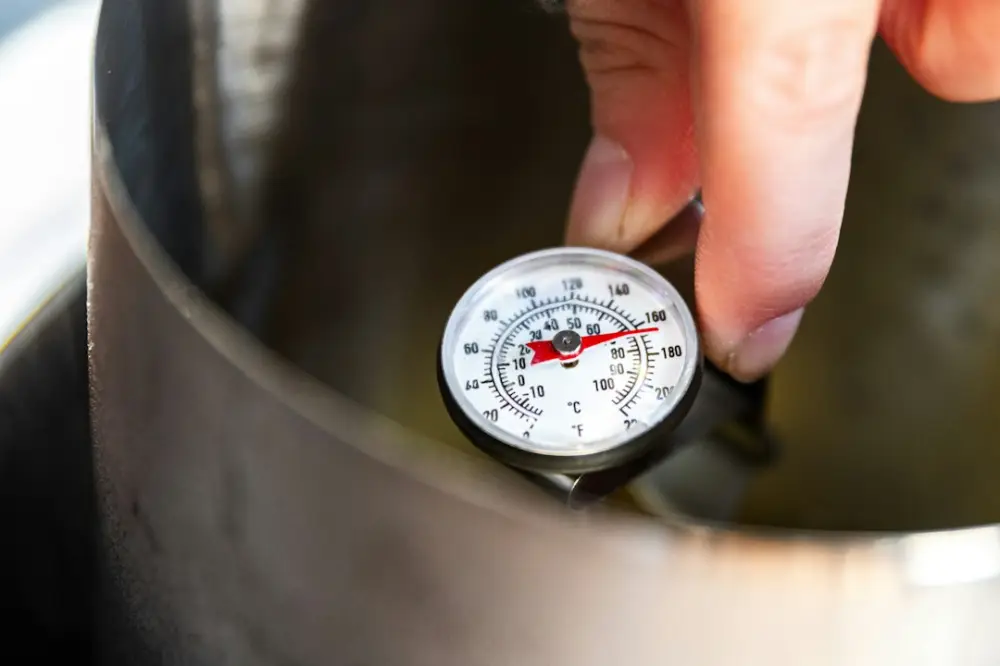
Food-safe cooking temperatures are the specific internal heat levels required to kill harmful bacteria like Salmonella and E. coli in meat and poultry. These standards, verified by food safety authorities in 2026, ensure that proteins are safe for consumption while maintaining quality. Achieving these temperatures is the only way to prevent foodborne illness reliably.
In a home barbecue environment, hitting these marks is about more than just safety; it is about the precision required to produce consistent, tender results. Whether you are working with a budget offset smoker or a simple kettle grill, understanding how heat interacts with pathogens allows you to cook with confidence. Using a reliable thermometer ensures you never have to guess if the meat is done.
Safe Internal Temperatures for Meat and Poultry
The baseline for food safety varies depending on the type of protein and how it has been processed. For whole cuts of beef, pork, veal, and lamb, the minimum safe internal temperature is 145°F (63°C). It is essential to allow these meats to rest for at least three minutes after removal from the heat source. During this rest period, the temperature remains constant or continues to rise slightly, which is a critical step in destroying pathogens. For example, a thick-cut pork chop pulled at 145°F will remain juicy while meeting all safety requirements.
Ground meats, including beef and pork, require a higher threshold of 160°F (71°C). The grinding process can spread surface bacteria throughout the meat, making it necessary to cook the entire batch to a higher temperature than a solid steak. Poultry, whether ground or whole, carries the highest risk and must reach 165°F (74°C). This applies to chicken, turkey, duck, and goose. When smoking a whole bird, always check the thickest part of the breast and the innermost part of the thigh to ensure no cold spots remain.
Fresh finfish should be cooked to 145°F or until the flesh is opaque and separates easily with a fork. While many enthusiasts prefer a lower temperature for certain fish like salmon, 145°F remains the 2026 standard for absolute safety. For those using traditional BBQ methods that still deliver, these temperatures serve as the safety floor, though many barbecue cuts like brisket or pork shoulder are taken much higher to achieve the desired texture.
Why Temperature Matters: The Science of the Danger Zone
Bacteria thrive in a specific temperature range known as the "Danger Zone," which spans from 40°F to 140°F (4°C to 60°C). In this range, bacteria can double in number in as little as 20 minutes. If meat sits within this window for too long, it can become unsafe regardless of the final cooking temperature, as some bacteria produce heat-stable toxins that are not destroyed by fire.
The "four-hour rule" is a standard guideline for home cooks. If raw or cooked meat has been in the danger zone for more than four hours, it should be discarded. This is particularly relevant during long, low-and-slow cooks. If your smoker temperature dips significantly during the night, the meat may spend too much time in the danger zone. Monitoring ambient pit temperatures alongside the meat's internal temperature is the best way to manage this risk. According to the USDA Food Safety and Inspection Service, keeping food out of this zone is the primary defense against foodborne illness.
How to Measure and Verify Internal Temperatures
Visual cues like the color of the juice or the firmness of the meat are notoriously unreliable. A digital instant-read thermometer is the most important tool in a cook's kit. To get an accurate reading, insert the probe into the thickest part of the meat, ensuring you do not hit bone, fat, or the metal of the pan, as these will give false readings. For a spatchcocked chicken, the best insertion point is the deepest part of the thigh, avoiding the bone.
Leave-in probe thermometers are excellent for long-duration barbecue. These allow you to monitor the progress of a beef brisket or pork butt without opening the lid of the smoker, which helps maintain a steady cooking environment. It is also good practice to calibrate your thermometers annually. A simple ice-water bath should read 32°F (0°C). If your equipment is off by more than a degree or two, it is time to adjust the settings or replace the unit to ensure your family's safety.
Best Practices for Meal Prep, Cooling, and Reheating
Safety does not end once the meat is taken off the grill. If you are prepping large quantities of food for the week, you must cool the meat quickly to get it back through the danger zone and into the refrigerator. Large roasts or big pots of chili should be broken down into smaller, shallow containers. This increases the surface area and allows heat to escape faster. Never put a massive, hot pot of meat directly into the fridge, as it can raise the internal temperature of the refrigerator and put other foods at risk.
When reheating leftovers, such as pulled pork or sliced brisket, the meat must reach an internal temperature of 165°F to be considered safe. This ensures that any bacteria that may have introduced themselves during the cooling or storage process are neutralized. Using a microwave can often leave cold spots, so it is helpful to stir the food or let it stand for a few minutes to ensure even heat distribution. If you want to build the perfect BBQ flavour profile even with leftovers, reheating slowly in a covered dish with a splash of apple juice or broth can keep the meat moist while reaching the safety target.
Food Safety Certification: What Home Cooks Should Know
While home cooks are not required to hold formal certifications like ServSafe, the principles taught in those courses are invaluable for anyone feeding a crowd. These certifications emphasize the importance of "Time and Temperature Control for Safety" (TCS) foods. This includes not only the meat itself but also the sides frequently served at barbecues, such as potato salad or coleslaw containing eggs and dairy.
Understanding the flow of food—from the grocery store to the prep table, the smoker, and finally the plate—helps prevent cross-contamination. This means using separate cutting boards for raw poultry and fresh vegetables and washing hands thoroughly after handling raw proteins. Adopting these professional-grade habits in a home kitchen significantly reduces the risk of illness during backyard gatherings and holiday meals.
Ensuring Food Safety in Your Backyard Smoker
Managing a backyard smoker presents unique challenges compared to a controlled kitchen oven. Budget-friendly smokers often have hot spots or inconsistent airflow, which can lead to uneven cooking. One side of a rack of ribs might be at 190°F while the other is struggling at 140°F. Rotating your meat and using multiple probes can help you identify these variances and ensure every piece reaches a safe temperature.
At 1848 BBQ, we believe that mastering the craft of barbecue starts with a foundation of safety. While we often focus on the smoke ring, the bark, and the tenderness of the meat, none of those achievements matter if the food isn't safe to eat. By using reliable equipment and sticking to the 2026 temperature standards, you can focus on the creative side of cooking. Thoughtful equipment choices, like a fast-acting thermometer and a well-sealed smoker, make it easier to maintain these standards without sacrificing the bold, traditional flavors we strive for in every cook.