

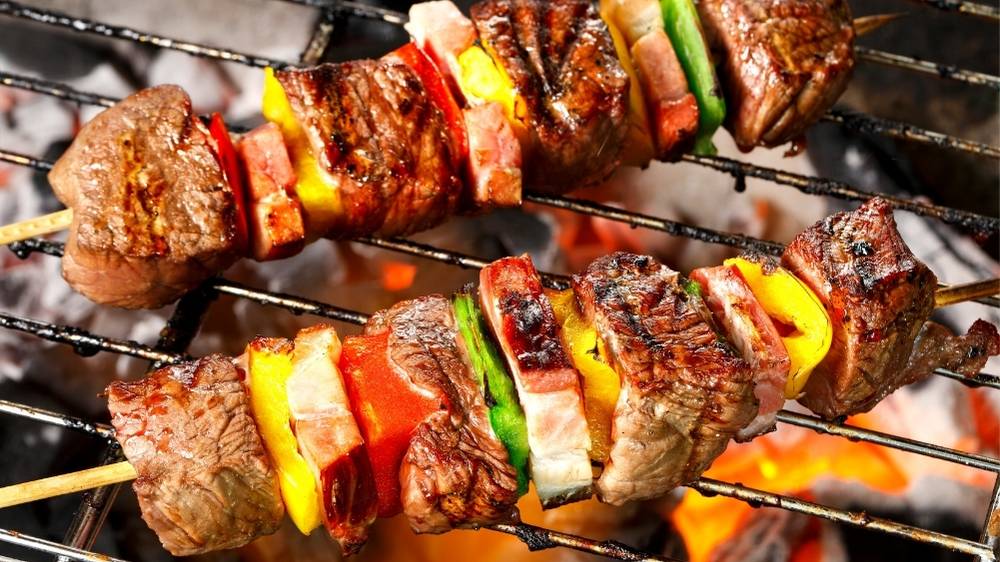
Traditional BBQ Methods That Still Deliver the Best Results
Barbecue has a long history rooted in slow cooking, wood smoke, and time-tested techniques. While modern equipment and shortcuts are widely available, traditional BBQ methods continue to deliver some of the most authentic, bold, and smoky flavours.
Whether you're cooking for family, friends, or a weekend gathering, mastering classic BBQ techniques can help you achieve consistent and delicious results every time.
Why Traditional BBQ Methods Still Work
Traditional barbecue focuses on patience, fire control, and natural flavour development. These methods remain popular because they:
- Create deeper smoke flavour
- Produce tender, juicy meat
- Allow better heat control
- Build rich crust and texture
- Deliver consistent cooking results
Simple techniques often produce the best outcomes.
1. Low and Slow Cooking
Low and slow is the foundation of traditional barbecue. Cooking at lower temperatures for longer periods allows connective tissues to break down and flavours to develop.
Best for:
- Brisket
- Pork shoulder
- Ribs
- Tougher cuts of meat
This method produces tender meat with a rich smoky profile.
2. Wood-Fired Cooking
Cooking with real wood is one of the oldest BBQ techniques.
Popular wood choices:
- Oak for balanced smoke
- Hickory for bold flavour
- Applewood for mild sweetness
- Cherry for subtle fruit notes
Wood-fired cooking adds authentic depth that charcoal or gas alone cannot match.
3. Indirect Heat Cooking
Traditional BBQ relies heavily on indirect heat.
How it works:
- Heat source placed to one side
- Meat cooked away from direct flames
- Lid closed to trap smoke and heat
This prevents burning while allowing slow, even cooking.
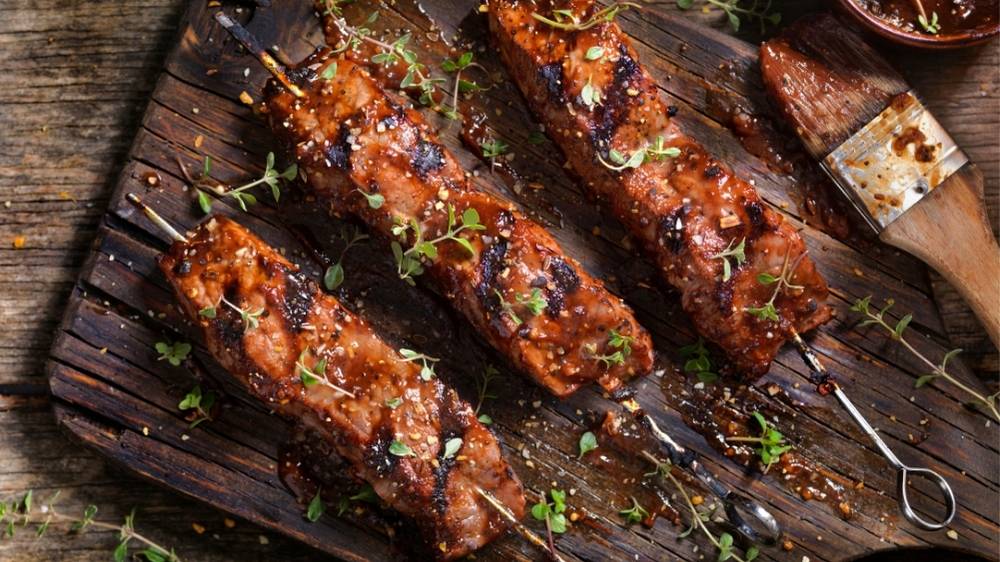
4. Charcoal-Based Grilling
Charcoal provides a natural smoky flavour and better temperature control.
Benefits include:
- Higher heat potential
- Richer flavour
- Better searing capability
- More authentic BBQ taste
Many pitmasters still prefer charcoal for traditional cooking.
5. Dry Rub Seasoning
Dry rubs are a classic way to build flavour before cooking.
A traditional rub may include:
- Salt
- Black pepper
- Paprika
- Garlic powder
- Brown sugar
Rubs create a flavourful crust during long cooks.
6. Smoke Management
Traditional BBQ focuses on clean, controlled smoke.
For best results:
- Use small wood chunks
- Avoid heavy white smoke
- Aim for thin blue smoke
- Maintain steady airflow
Clean smoke enhances flavour without bitterness.
7. Spritzing During Cooking
Spritzing is a traditional method used to keep meat moist.
Common spritz options:
- Apple juice
- Vinegar and water
- Light broth
- Citrus blends
Spritzing also helps build flavour layers over time.
8. Wrapping (Texas Crutch)
Wrapping meat during cooking helps retain moisture and speed up the process.
Typically used for:
- Brisket
- Pork shoulder
- Ribs
Butcher paper or foil helps push through long cooking stalls.
9. Resting the Meat
Resting is an essential traditional step.
Why it matters:
- Juices redistribute
- Texture improves
- Flavour settles
Skipping this step can lead to dry results.
10. Finishing Over Gentle Heat
Traditional BBQ often finishes meat with gentle heat for texture.
This helps:
- Set the bark
- Caramelise sauces
- Add light char
The finishing stage completes the flavour profile.
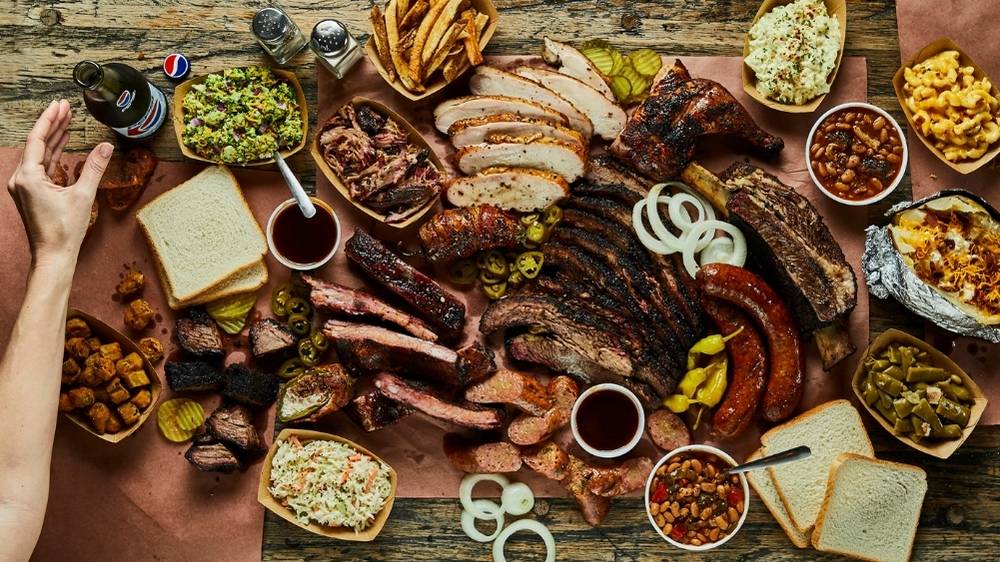
Common Traditional BBQ Mistakes to Avoid
Even classic methods require attention:
- Cooking at too high temperature
- Using too much smoke wood
- Opening the lid too often
- Skipping resting time
- Applying sauce too early
Avoiding these mistakes improves consistency.
Tips for Better Traditional BBQ Results
To get the most from traditional methods:
- Be patient with cooking times
- Monitor temperature carefully
- Use quality wood and charcoal
- Keep seasoning simple
- Practise and refine techniques
Traditional BBQ rewards patience and consistency.
Final Thoughts
Traditional BBQ methods have stood the test of time for a reason. By focusing on low and slow cooking, wood smoke, and proper heat control, you can achieve bold, smoky flavour and tender results.
Modern tools can help, but classic techniques remain the foundation of great barbecue. Master these traditional methods and you’ll consistently deliver BBQ that’s rich, authentic, and full of flavour.

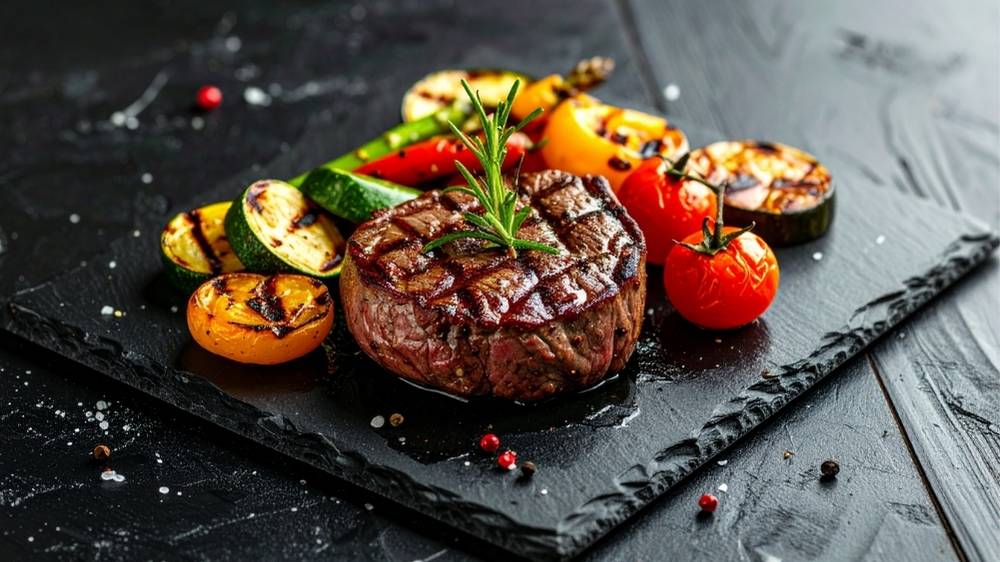
How to Build the Perfect BBQ Flavour Profile
Creating unforgettable barbecue isn’t just about cooking meat — it’s about building layers of flavour. The perfect BBQ flavour profile balances smoke, seasoning, sweetness, acidity, and texture to deliver that bold, mouthwatering result every time.
Whether you're new to barbecue or refining your technique, understanding how to build a flavour profile will help you cook with more confidence and consistency.
What Is a BBQ Flavour Profile?
A BBQ flavour profile is the combination of tastes and aromas that define your barbecue. It typically includes a balance of:
- Smoky notes
- Savoury seasoning
- Sweetness
- Acidity
- Heat or spice
- Texture and crust
When these elements work together, the result is rich, layered, and well-balanced BBQ.
1. Start with the Right Cut of Meat
Your flavour profile begins with the base ingredient. Different cuts absorb smoke and seasoning differently.
Popular BBQ choices:
- Brisket for deep beefy flavour
- Pork shoulder for rich and tender texture
- Ribs for balanced fat and meat
- Chicken for lighter smoke absorption
Choosing the right cut sets the foundation.
2. Build a Strong Dry Rub
Dry rubs are essential for creating depth of flavour and forming a crust.
A balanced rub typically includes:
- Salt for flavour enhancement
- Pepper for bite
- Paprika for colour and mild sweetness
- Garlic and onion powder for savoury notes
- Brown sugar for caramelisation
Apply generously and allow time for the seasoning to absorb.
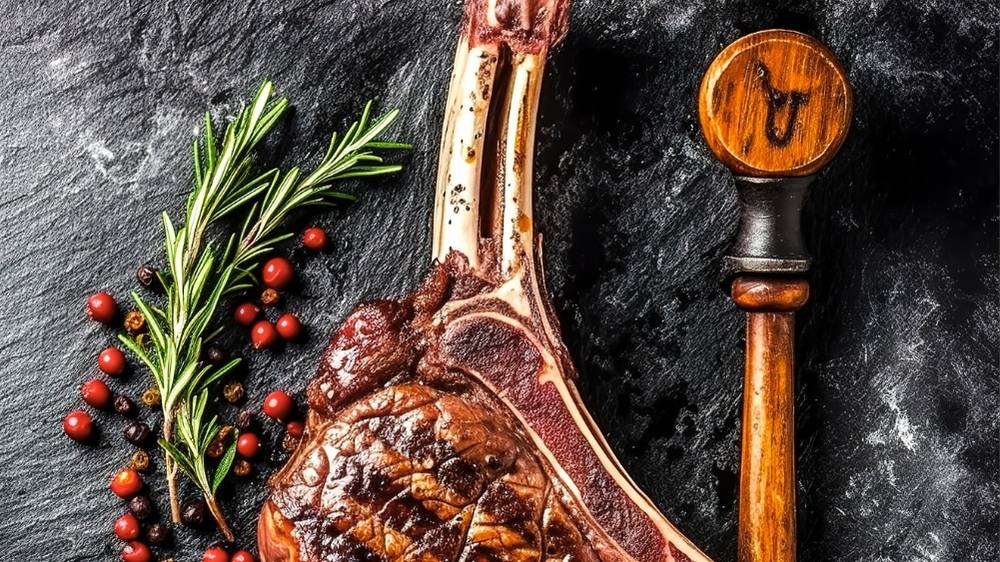
3. Choose Your Smoke Profile
Smoke is what defines barbecue flavour.
Different woods create different results:
- Hickory – bold and classic
- Oak – balanced and versatile
- Apple – mild and slightly sweet
- Cherry – subtle and fruity
- Mesquite – strong and earthy
Match the wood to your meat for best results.
4. Balance Sweetness
Sweetness helps round out smoky and savoury flavours.
Common sources include:
- Brown sugar in rubs
- Honey glazes
- Maple-based sauces
- Sweet BBQ sauces
Use sweetness carefully to avoid overpowering the dish.
5. Add Acidity for Contrast
Acidity cuts through richness and balances flavour.
You can add acidity with:
- Vinegar-based sauces
- Citrus juice
- Mustard binders
- Pickled sides
This prevents BBQ from tasting too heavy.
6. Layer Flavour Throughout Cooking
Great BBQ builds flavour in stages.
Example layering:
- Binder (optional)
- Dry rub
- Smoke infusion
- Spritz during cooking
- Sauce or glaze finish
Each step adds complexity.
7. Use Spritzing for Extra Depth
Spritzing adds moisture and enhances flavour.
Try:
- Apple juice
- Vinegar blends
- Light broth
- Citrus mixes
Spritz lightly during long cooks to develop layers.
8. Develop a Good Bark
The bark is the flavour-packed crust on BBQ meats.
To improve bark:
- Use coarse seasoning
- Cook low and slow
- Avoid wrapping too early
- Maintain steady heat
A good bark adds texture and richness.
9. Finish with Sauce (Optional)
Sauce should complement, not overpower, your BBQ.
Best practice:
- Apply near the end of cooking
- Use thin layers
- Allow gentle caramelisation
This enhances flavour without masking smoke.
10. Rest Before Serving
Resting is the final step in building flavour.
Why it matters:
- Juices redistribute
- Texture improves
- Flavours settle
Resting ensures the best final result. 🍖
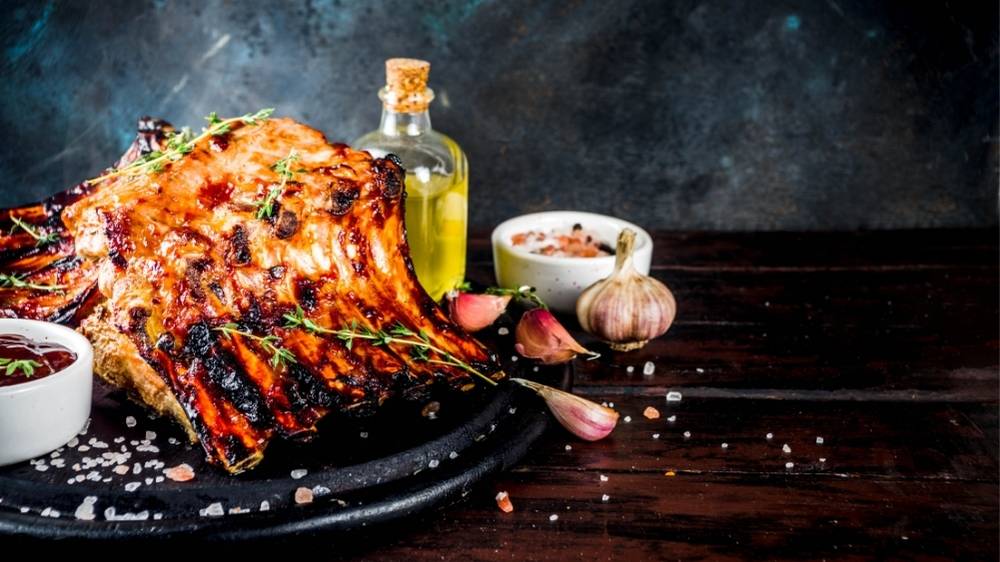
Example Balanced BBQ Flavour Profile
A classic balanced BBQ might include:
- Savoury: salt, pepper, garlic
- Sweet: brown sugar, honey
- Smoke: hickory or oak
- Acid: vinegar spritz
- Heat: mild chilli or paprika
This combination creates bold, layered flavour.
Common BBQ Flavour Mistakes
Avoid these common issues:
- Too much smoke
- Overly sweet sauces
- Under-seasoning
- Skipping acidity
- Cooking at high heat
Balance is the key to great BBQ.
Tips for Perfect BBQ Flavour
To improve your results:
- Keep seasoning simple
- Let smoke build gradually
- Taste and adjust over time
- Experiment with wood types
- Focus on balance
Small adjustments make a big difference.
Final Thoughts
Building the perfect BBQ flavour profile is about layering smoke, seasoning, sweetness, and acidity in the right balance. With practice and attention to detail, you can create bold, smoky barbecue that stands out every time.
Start with the fundamentals, experiment with flavours, and refine your technique — the perfect BBQ flavour is within reach.
10 Classic BBQ Techniques for Bold and Smoky Flavour
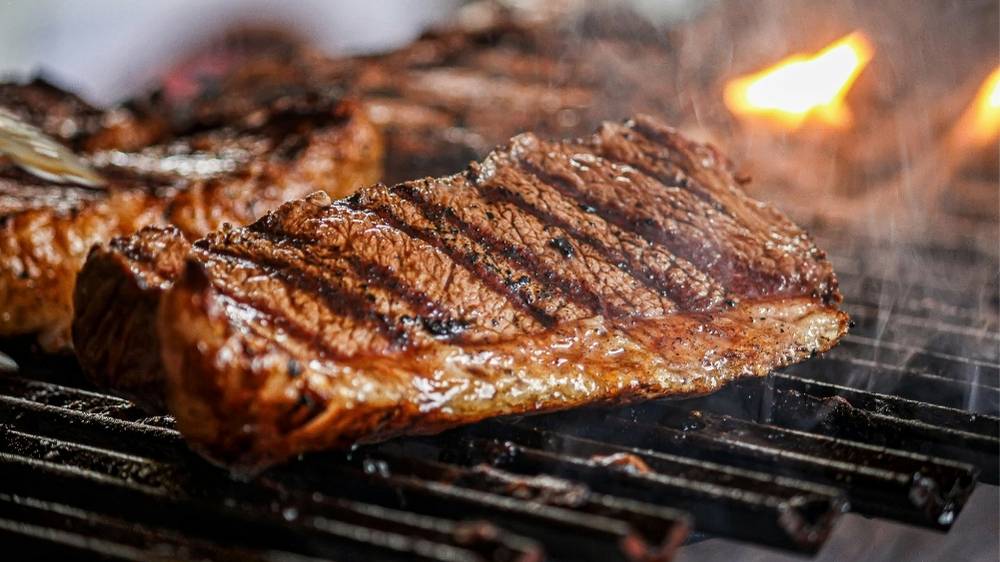
Great barbecue is all about technique. Whether you're cooking in your backyard, at a weekend gathering, or experimenting with new flavours, mastering classic BBQ methods can transform simple ingredients into bold, smoky, and unforgettable dishes.
From controlling heat to choosing the right wood, these timeless BBQ techniques will help you achieve deeper flavour, better texture, and more consistent results every time.
Why BBQ Technique Matters
Barbecue isn’t just about grilling food quickly over heat. True BBQ focuses on:
- Low and slow cooking
- Smoke infusion
- Heat control
- Moisture retention
- Layered seasoning
When done correctly, these elements create the rich, smoky flavour BBQ is known for.
1. Master Low and Slow Cooking
Low and slow is one of the most important BBQ fundamentals. Cooking at lower temperatures for longer periods allows flavours to develop while keeping meat tender.
Best for:
- Brisket
- Ribs
- Pulled pork
- Shoulder cuts
This technique breaks down connective tissue and creates juicy, flavourful results.
2. Use Indirect Heat
Indirect heat prevents burning while allowing food to cook evenly.
How it works:
- Place heat source on one side
- Cook food on the opposite side
- Close the lid to trap heat and smoke
This creates an oven-like environment inside your BBQ.
3. Choose the Right Wood for Smoke
Different woods produce different flavour profiles.
Popular options include:
- Hickory – strong, bold smoke
- Applewood – mild and slightly sweet
- Oak – balanced and versatile
- Mesquite – intense and earthy
Using the right wood enhances the overall BBQ experience.
4. Control Your Temperature
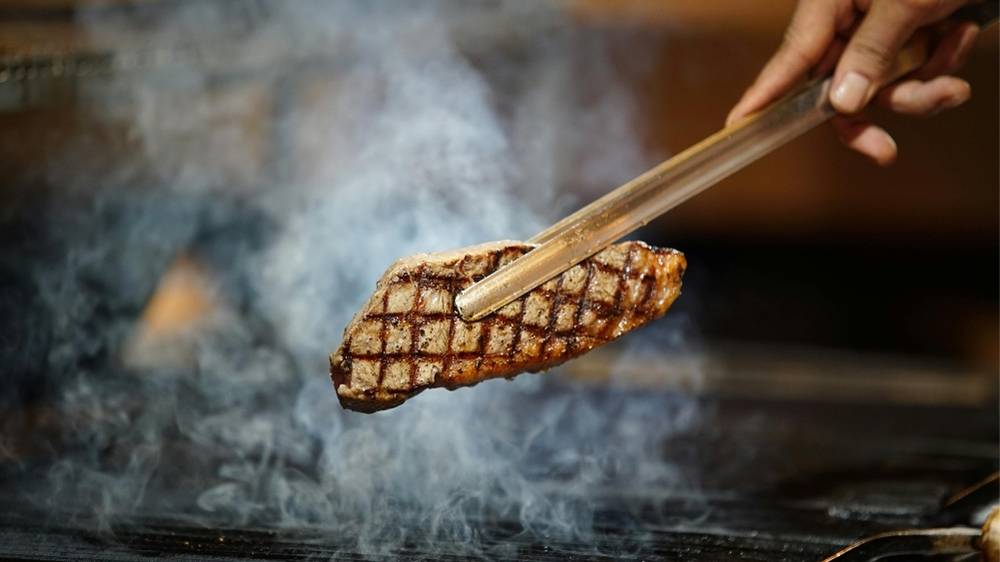
Temperature control is key to consistent BBQ results.
Tips for better control:
- Use a reliable thermometer
- Adjust vents gradually
- Avoid opening the lid too often
- Maintain steady airflow
Stable heat ensures even cooking and better smoke absorption.
5. Season Generously with Dry Rubs
Dry rubs add flavour and help create a delicious crust.
A classic BBQ rub includes:
- Salt
- Pepper
- Paprika
- Garlic powder
- Brown sugar
Apply rubs before cooking to allow seasoning to penetrate the meat.
6. Try the Two-Zone Cooking Method
Two-zone cooking combines direct and indirect heat.
Setup:
- One hot zone for searing
- One cooler zone for finishing
This method is perfect for achieving both char and tenderness.
7. Keep Meat Moist with Spritzing
Spritzing helps maintain moisture and enhances flavour.
Use:
- Apple juice
- Vinegar blends
- Water
- Light broth
Lightly spray meat during cooking to prevent drying and build flavour layers. 💨
8. Let the Smoke Do the Work
Smoke is the signature element of BBQ.
For best results:
- Use small amounts of wood
- Avoid thick, heavy smoke
- Aim for thin blue smoke
- Let smoke build gradually
Clean smoke creates better flavour without bitterness.
9. Rest Meat Before Serving
Resting allows juices to redistribute inside the meat.
Why it matters:
- Improves tenderness
- Prevents dryness
- Enhances flavour
Let meat rest for 10–30 minutes depending on size.
10. Finish with a Glaze or Sauce
Adding sauce at the right time enhances flavour without burning.
Best practice:
- Apply during the final stage
- Use thin layers
- Let sauce caramelise gently
This creates a sticky, smoky finish that completes the dish.
Common BBQ Mistakes to Avoid
Even experienced cooks sometimes make these mistakes:
- Cooking over heat that’s too high
- Using too much smoke
- Flipping meat too often
- Skipping resting time
- Saucing too early
Avoiding these errors improves consistency and flavour.
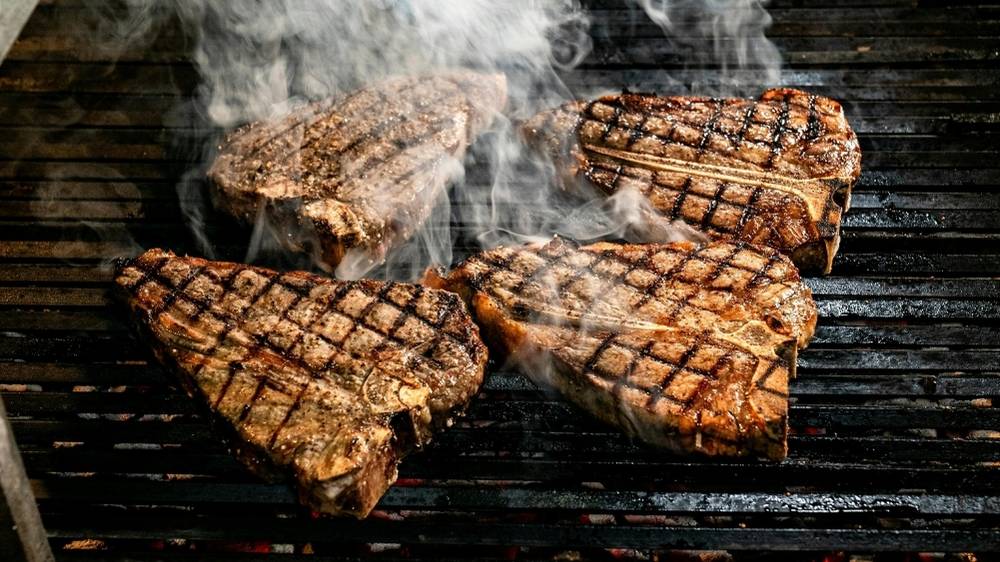
Tips for Better BBQ Results
To elevate your BBQ game:
- Be patient with cooking times
- Keep lids closed as much as possible
- Use quality ingredients
- Monitor temperature regularly
- Practise and refine techniques
BBQ improves with experience and experimentation.
Final Thoughts
Mastering classic BBQ techniques is the key to achieving bold, smoky flavour. By focusing on heat control, smoke management, and proper seasoning, you can create restaurant-quality barbecue at home.
Start with these fundamentals, experiment with flavours, and refine your approach over time. With practice, every BBQ session becomes an opportunity to create something truly memorable.